
The Right Hearing Support For Everyday Communication
Hearing aids are compact electronic devices designed to make important sounds more accessible for people with hearing loss. Modern hearing aids can process incoming sounds and provide amplification according to an individual's hearing needs.
A hearing aid is not simply a device that makes everything louder. Appropriate fitting aims to provide useful amplification while considering speech understanding, comfort, listening environments and the person's hearing profile.
The hearing care journey generally begins with an appropriate hearing assessment. The results, along with communication needs, lifestyle and personal preferences, can help guide the selection and fitting of a suitable hearing aid.
When Hearing Loss Starts Affecting Everyday Communication
Hearing loss can develop gradually and may become noticeable through changes in conversations, phone calls, television listening or communication in busy environments.
Difficulty Following Conversations
Speech may become difficult to understand, particularly when people speak softly or from a distance.
Trouble In Group Conversations
Following conversations can become more challenging when several people are speaking at the same time.
Increasing Volume
Frequently turning up the television, phone or other audio devices may indicate difficulty hearing comfortably.
Difficulty On The Phone
Understanding speech during telephone conversations may become difficult when hearing sensitivity changes.
Noisy Environment Difficulty
Restaurants, markets, family gatherings and other noisy places may make speech harder to understand.
Asking Others To Repeat
Frequently asking family members, friends or colleagues to repeat themselves can be a sign of communication difficulty.
Different Hearing Aids For Different Listening Needs
Hearing aids are available in different styles, technologies and feature combinations. There is no single device that is suitable for every person.
Hearing test results, degree and type of hearing loss, lifestyle, communication requirements, comfort, handling ability and listening environments can all be considered when discussing suitable options.
Behind-The-Ear Hearing Aids
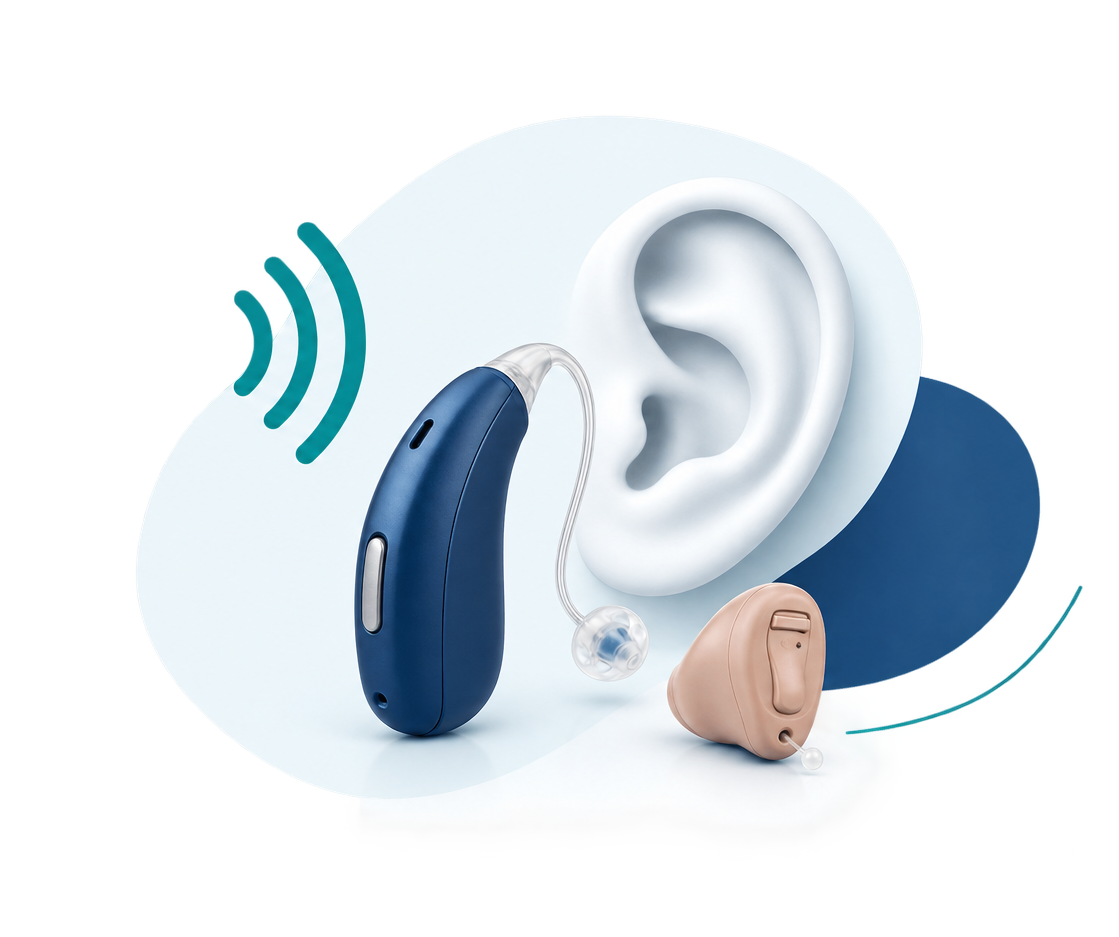
These devices sit behind or around the ear and can be connected to an earmould or suitable earpiece. They are available in different configurations for different hearing needs.
Receiver-In-Canal Hearing Aids
These compact devices position the receiver closer to or inside the ear canal and may offer a discreet design with different feature options.
In-The-Ear Hearing Aids
These hearing aids are designed to fit within the outer part of the ear. Their suitability depends on hearing requirements, ear anatomy and fitting considerations.
Digital Hearing Technology
Modern digital hearing aids may include programmable sound processing, listening programs, feedback management and wireless connectivity depending on the selected device.
A Personalized Approach To Hearing Aid Fitting
Good hearing aid results depend on more than selecting a device. Assessment, fitting, programming, adjustment and follow-up are important parts of the overall hearing care process.
Understand Your Hearing
Your hearing test results are reviewed to understand the degree and pattern of hearing difficulty and the type of amplification that may be appropriate.
Choose A Suitable Device
Available hearing aid styles and features can be discussed according to your hearing needs, lifestyle, communication requirements and personal preferences.
Fit & Program The Device
The selected hearing aid is fitted and its settings are adjusted according to the hearing profile, comfort and intended listening requirements.
Follow-Up & Fine Tuning
Follow-up visits can help address comfort, sound quality, volume preferences and listening difficulties that may arise during everyday use.
Hearing Aid Fitting Is More Than Choosing A Device
Adjusting to hearing aids can take time because amplified sound may initially feel different from what you are used to hearing. Gradual use and appropriate follow-up can help you become more comfortable with the device.
Hearing aid care also includes understanding how to use, clean, store and maintain the device, as well as knowing when professional adjustment or servicing may be required.
Discuss suitable hearing aid options based on hearing results and everyday communication needs.
Proper physical fitting can help support comfort during regular hearing aid use.
Hearing aid settings can be reviewed and adjusted according to hearing requirements and listening experience.
Receive guidance for everyday use, care, maintenance and follow-up requirements.
When Hearing Difficulties Affect Your Daily Life
Hearing aids may be considered when hearing loss is affecting communication and everyday activities and hearing assessment indicates that amplification may provide useful support.
Hearing aid selection should be based on an appropriate hearing assessment and individual requirements rather than choosing a device only because of its appearance, size or advertised features.
Common Questions About Hearing Aids
Find answers to common questions about hearing aid selection, fitting, adjustment, adaptation, maintenance and everyday use.
Find The Right Hearing Aid Support
Considering a hearing aid? Share your details and our team can guide you regarding hearing assessment, suitable options, fitting and the next step in your hearing care journey.
Take The Next Step Towards Better Everyday Hearing
If hearing difficulties are affecting your conversations, phone calls, social activities or everyday communication, a hearing assessment can help determine the appropriate hearing support and whether hearing aids may be suitable for your needs.